
Best Reefs to Snorkel in Islamorada, Florida Keys in Summer
Discover the best Islamorada reefs to snorkel this summer, from Alligator Reef to Hens and Chickens. Warm, calm water and easy daily charters await. Book today.
Quick Takeaways
- Summer, from June through August, brings the warmest water in the low-to-mid 80s and the calmest, clearest conditions on early-morning charters.
- The best snorkeling reefs are shallow patch reefs and coral heads sitting between 10 and 25 feet, requiring no scuba certification or experience.
- Four standout reefs are Alligator Reef, Hens and Chickens, Morada, and Davis Reef, all reachable in under 20 minutes from Three Waters Marina.
- Summer marine life includes green sea turtles, nurse sharks, green moray eels, southern stingrays, and bonnethead sharks.
- Islamorada Dive Center runs two guided charters daily, year-round, from Three Waters Marina at MM 84.5, with a guide in the water on every trip.
Summer is when the Florida Keys put on their best show. The water warms to the low 80s, the seas lie down on calm mornings, and visibility opens up over shallow reefs that sit just minutes from the dock. Islamorada is the heart of it, perched on the third-largest barrier reef system in the world inside the Florida Keys National Marine Sanctuary. You do not need to be a certified diver to see it. Some of the richest reefs here top out at 10 to 25 feet, close enough to the surface that a mask, snorkel, and a pair of fins are all you need. If you have been waiting for the right season to float over living coral and reef sharks, this is it. Here is where to go and what to expect.
When is the best time to snorkel in the Florida Keys?
Summer, from June through August, brings the warmest water and the longest stretches of flat, glassy conditions. Surface temperatures climb to the low-to-mid 80s, which means most snorkelers are comfortable in just a rash guard or thin wetsuit. Mornings tend to be calmest, before afternoon sea breezes pick up, so an early departure usually delivers the clearest water and the best light on the reef.
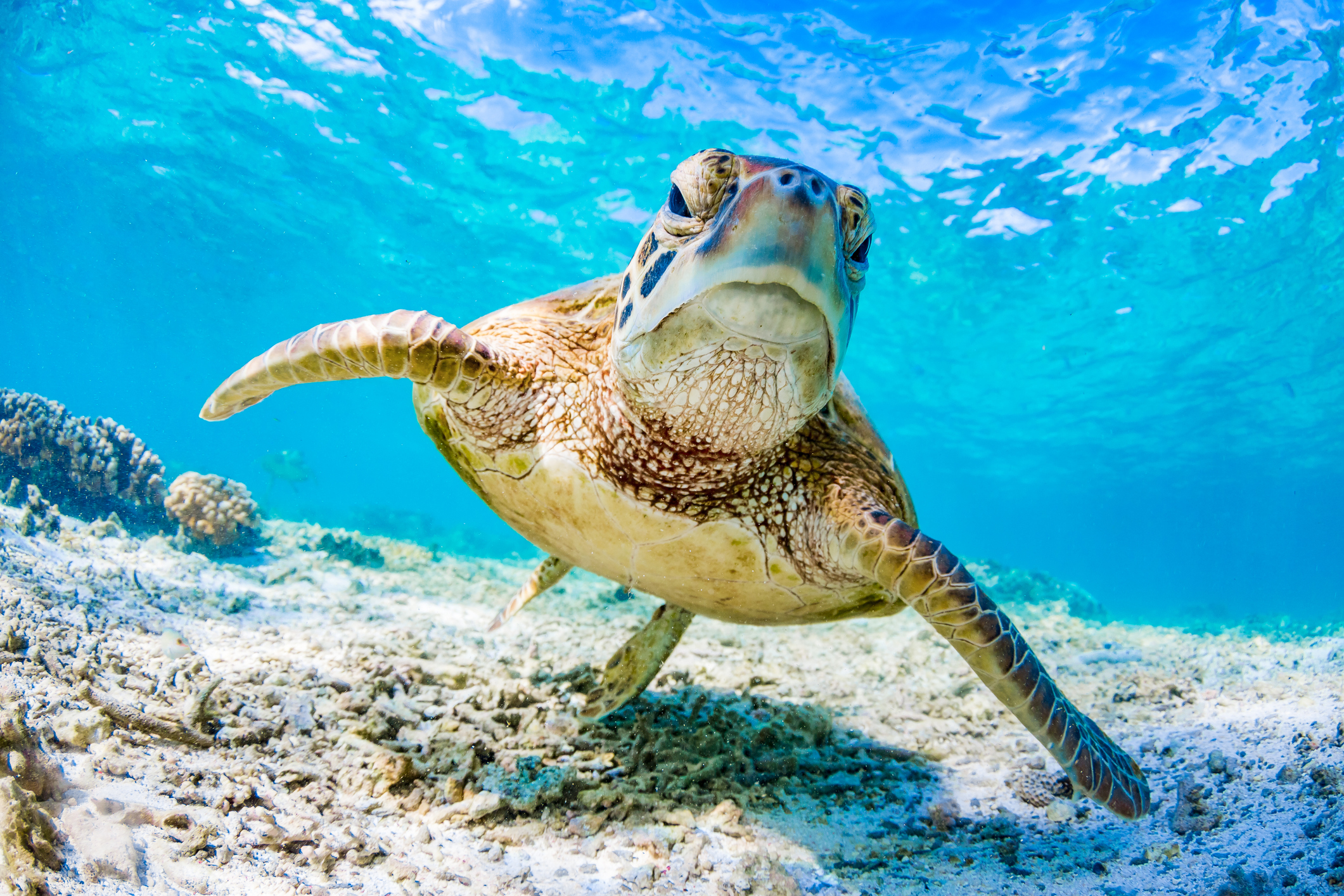
Marine life is at its most active this time of year, too. Sea turtles graze the grass flats, spiny lobsters move into the crevices ahead of the season, and nurse sharks rest under the ledges in numbers you simply do not see in the colder months. Our scuba and snorkel charters run two departures daily, year-round, so you can pick the tide and time that suits you.
Which Islamorada reefs are best for snorkeling?
The best snorkeling reefs are the shallow patch reefs and protected coral heads that sit between 10 and 25 feet. At those depths, sunlight reaches the coral, colors stay vivid, and you can free-dive down for a closer look without any special training. Here are four of our favorites.
Alligator Reef
If you snorkel one reef in Islamorada, make it Alligator Reef. Marked by the historic 136-foot Alligator Reef Lighthouse, this protected reef runs from 10 to 25 feet and is among the most recognizable dive and snorkel sites in the entire Florida Keys. The shallow coral structure teems with parrotfish, sergeant majors, grunts, and the occasional southern stingray gliding across the sand. It is accessible to snorkelers and divers alike, which makes it ideal for mixed groups.
Hens and Chickens
A 106-acre Sanctuary Preservation Area off Plantation Key, Hens and Chickens is a forest of brain and star coral mounds that rise as high as 15 feet from the bottom in just 10 to 20 feet of water. A dense field of purple sea fans sways in the current, and the structural complexity makes a shallow snorkel feel far bigger than the depth suggests. It is one of the most rewarding shallow reefs in the Upper Keys.
Morada
The name says it all. "Morada" means purple in Spanish, and this 15-foot patch reef earns it with a blanket of purple sea fans and gorgonians. Bonnethead sharks are in residence for most of the year, cruising the sand around the coral heads. Shallow, calm, and reliably full of life, Morada is a confidence-builder for first-time snorkelers and a treat for anyone who loves soft coral.
Davis Reef
Davis Reef is one of only a handful of Keys reefs formally designated as a Sanctuary Preservation Area, safeguarding its exceptional gorgonians. At 15 to 30 feet, it offers some of the richest soft coral in the Upper Keys, plus a long-standing local tradition: rubbing the underwater Buddha's Belly for luck. It is approachable for snorkelers on a calm day and a beautiful introduction to the reef's diversity. You can browse the full lineup on our Florida Keys dive sites page.
What marine life will I see snorkeling in summer?
Plenty. Summer is peak season for green sea turtles feeding on the grass flats near reefs like Captain Grumpy and Rocky Top. Nurse sharks rest calmly under coral ledges, completely comfortable with snorkelers floating overhead. You will spot green moray eels peeking from crevices, schools of yellowtail snapper and blue tang drifting over the coral, and southern stingrays half-buried in the sand. Keep an eye out for spotted eagle rays and the occasional bonnethead shark, especially over the shallow patch reefs. With water this clear and warm, you do not have to dive deep to see the Keys at their liveliest.
Do I need to know how to scuba dive to enjoy the reef?
Not at all. Snorkeling requires no certification and no experience. If you can float and breathe through a snorkel, our guides will get you over the reef and show you what to look for. That said, if floating on the surface leaves you wanting more, summer is the perfect time to try breathing underwater for the first time. Our Discover Scuba Diving experience is built for complete beginners, with no certification needed and a guide at your side the whole way. Many of our guests come for a snorkel and leave hooked on diving.
FAQ
Is summer a good time to snorkel in Islamorada?
Yes. Summer brings the warmest water of the year, in the low-to-mid 80s, along with the calmest, clearest conditions on early-morning charters. Marine life is at its most active, with sea turtles, nurse sharks, and reef fish all in abundance. It is one of the best windows of the year to get on the water.
Do I need to be a strong swimmer to snorkel the reefs?
You should be comfortable in the water, but you do not need to be an expert swimmer. We provide flotation, and our guides stay with you throughout the trip. Many of the best Islamorada snorkel reefs sit in just 10 to 20 feet of calm, protected water, which makes them friendly for beginners and families.
What should I bring on a snorkel charter?
Bring a swimsuit, a towel, reef-safe sunscreen, and water to stay hydrated. We can outfit you with a mask, snorkel, fins, and a flotation vest, though you are welcome to bring your own gear. A rash guard or light wetsuit adds comfort and sun protection on longer trips.
How far are the reefs from the marina?
Every site we visit is reachable in under 20 minutes from Three Waters Marina at MM 84.5. That means more time in the water on the reef and less time riding out to it, a real advantage of Islamorada's location in the Upper Keys.
Ready to Snorkel the Florida Keys?
Summer conditions do not last forever, so book your spot while the water is warm and the reefs are buzzing. Islamorada Dive Center runs two guided charters daily, year-round, from Three Waters Marina, with a guide in the water on every trip.
Call us at (305) 664-3483, or visit www.islamoradadivecenter.com to see live availability. We run morning and afternoon departures every day. We will see you on the reef!
Stop Reading.
Start Diving.
Daily charters from Three Waters Marina. Open Water to advanced — we'll put you on the best reefs and wrecks in the Florida Keys.