
Florida Keys Shark Encounters
The Florida Keys is one of the best places on earth to dive with sharks in their natural habitat. Here's what you'll find, where to find them, and how to make the most of the encounter.
the Best Place to Dive With Sharks
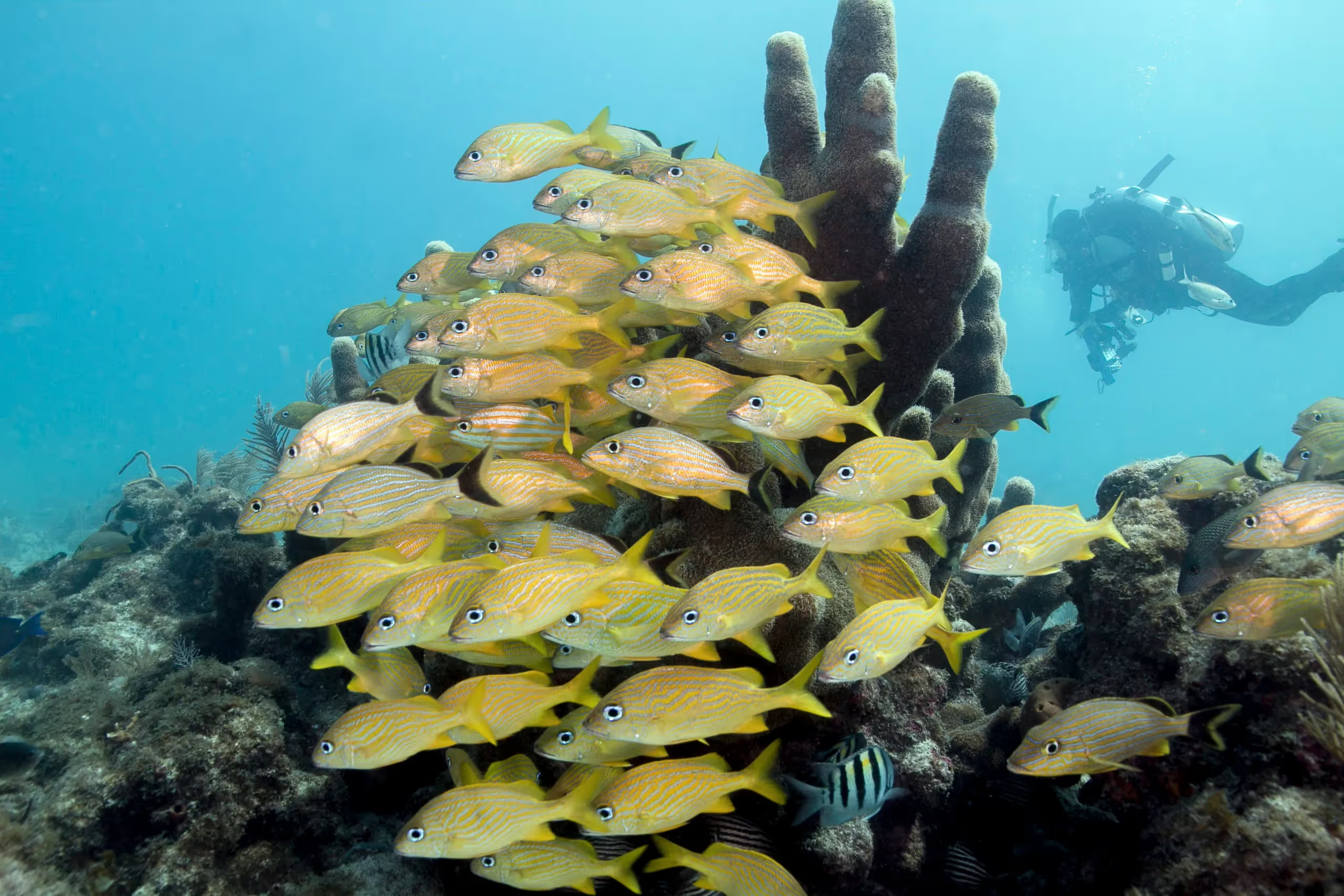
The Florida Keys sits at the edge of the Gulf Stream, one of the most productive marine environments in the Atlantic. The result is a reef system teeming with life at every level of the food chain, and sharks are right at the top of it.
Nurse sharks rest under ledges on nearly every reef IDC visits. Reef sharks cruise the walls. Bull sharks move through the deeper sites in season. Hammerheads appear in the blue water offshore during migrations.
The species you encounter, their behaviour, and your experience of diving alongside them is entirely dependent on the site, the season, and the day. That unpredictability is exactly what makes it so good.
Morning Deep Reef & Wreck
Our most popular daily charter and the one most likely to produce shark encounters. The Eagle Wreck and Crocker Wall are both known shark habitats. Two guided dives from $115.
Afternoon Scuba & Snorkel
Patch reef dives and snorkel trips on shallow sites where nurse sharks and reef sharks are frequently spotted. From $115 — open to snorkelers too.
Private Shark Charters
Want to focus your day on shark-likely sites? A private charter lets you direct the itinerary. Up to 6 guests, half or full day, from $1,200.
Sharks of the Florida Keys
Six species you're likely to encounter diving in Islamorada from the nurse sharks sleeping under every ledge to the bull sharks that pass through in season.
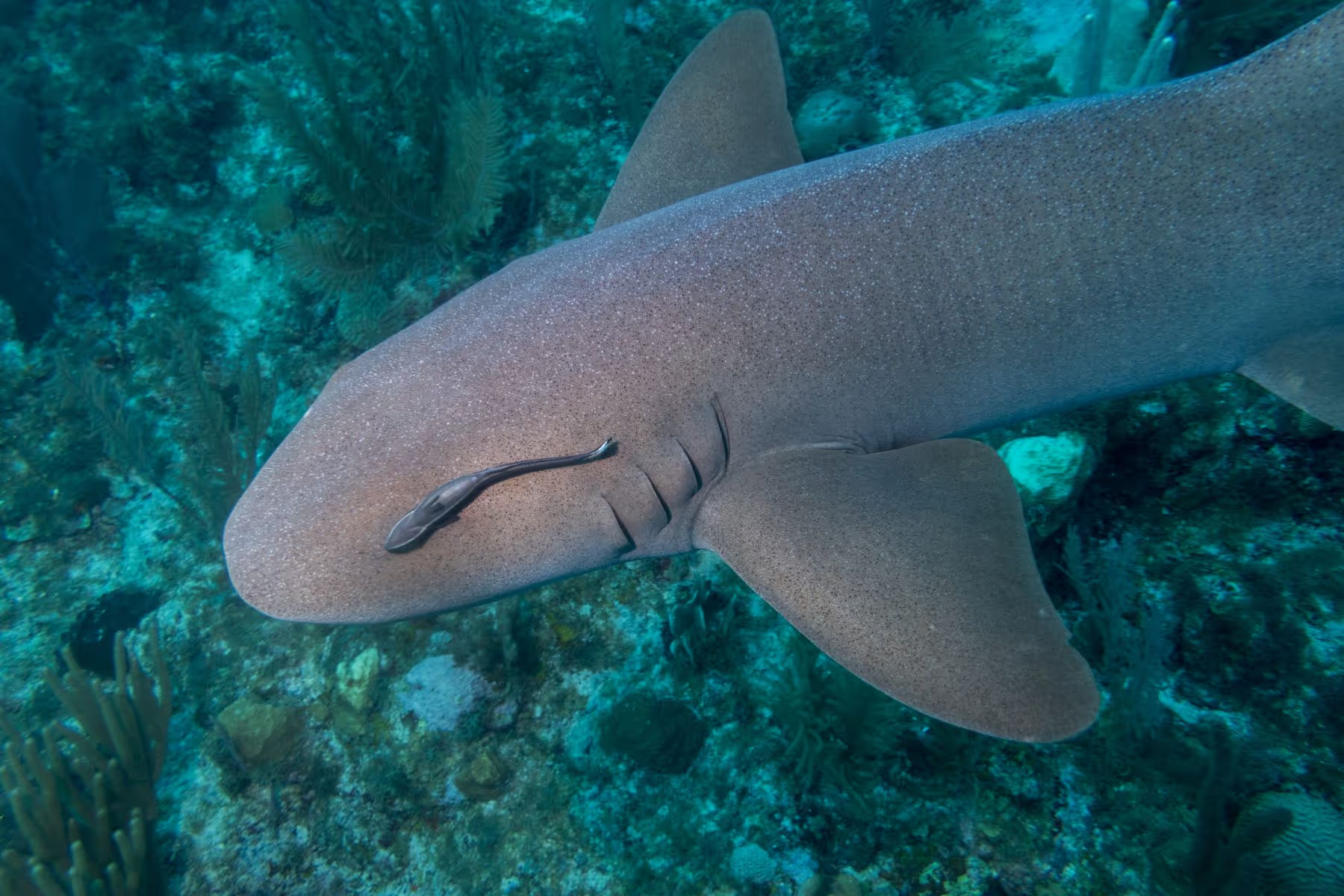
Nurse Shark
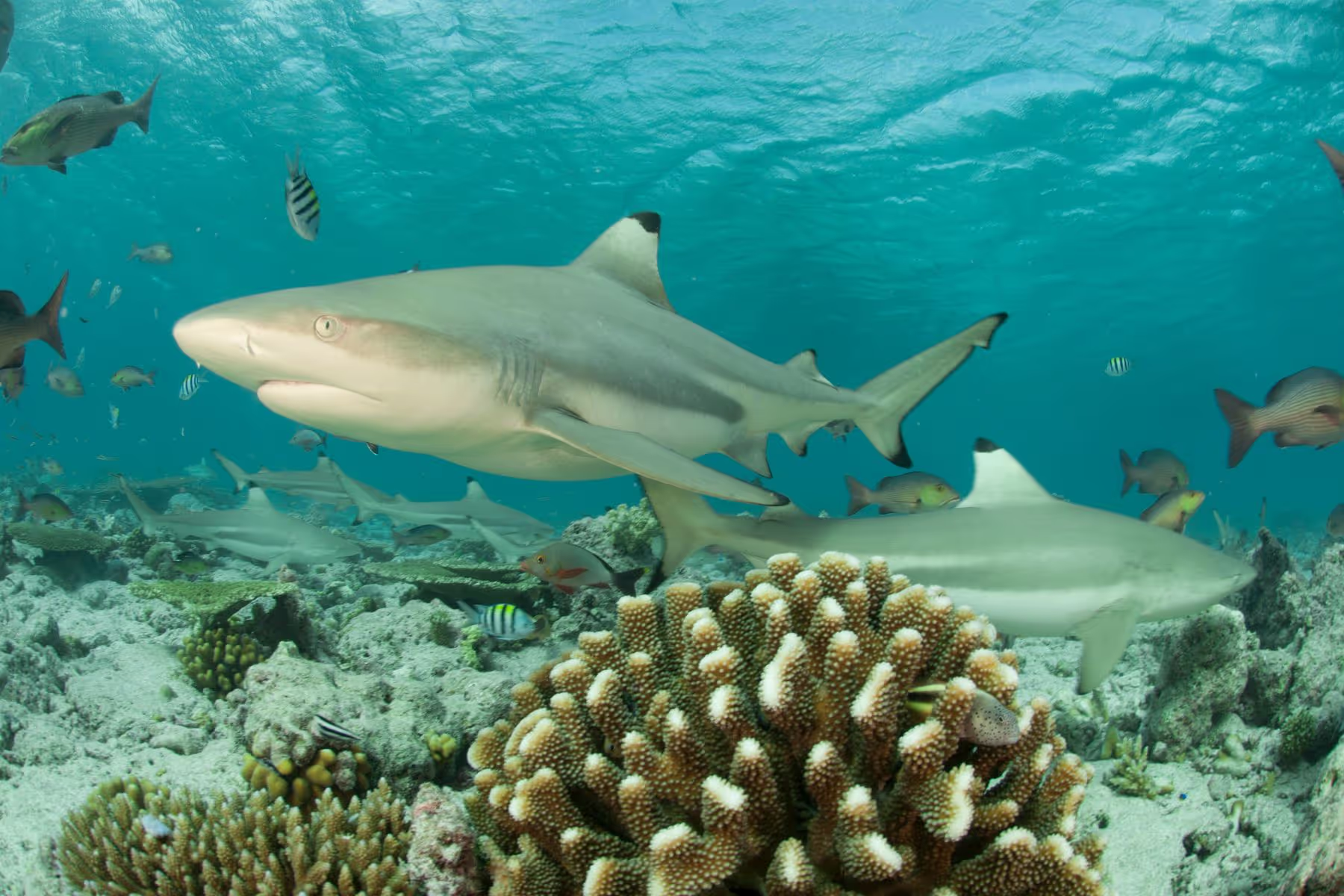
Blacktip Reef Shark
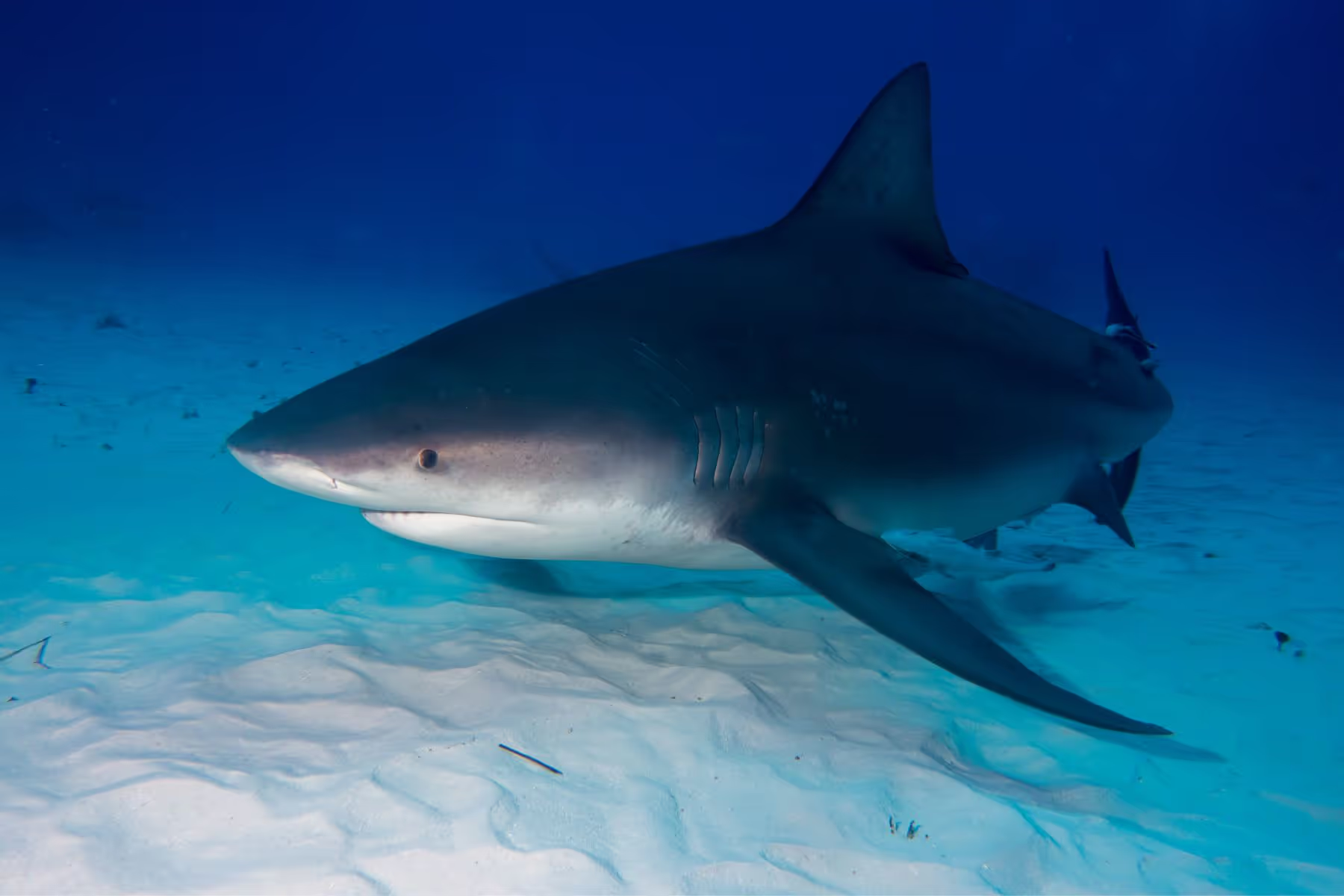
Bull Shark
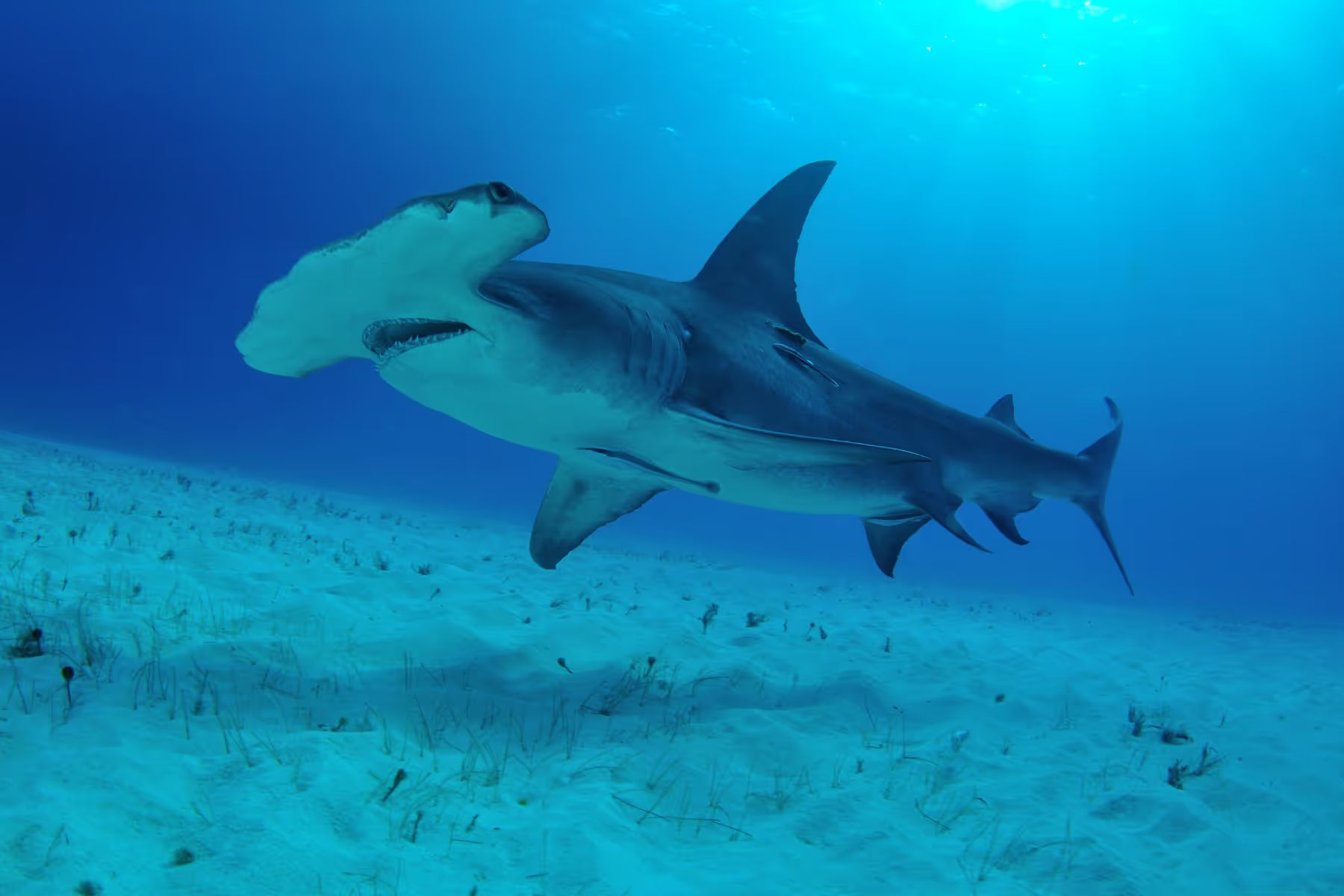
Great Hammerhead
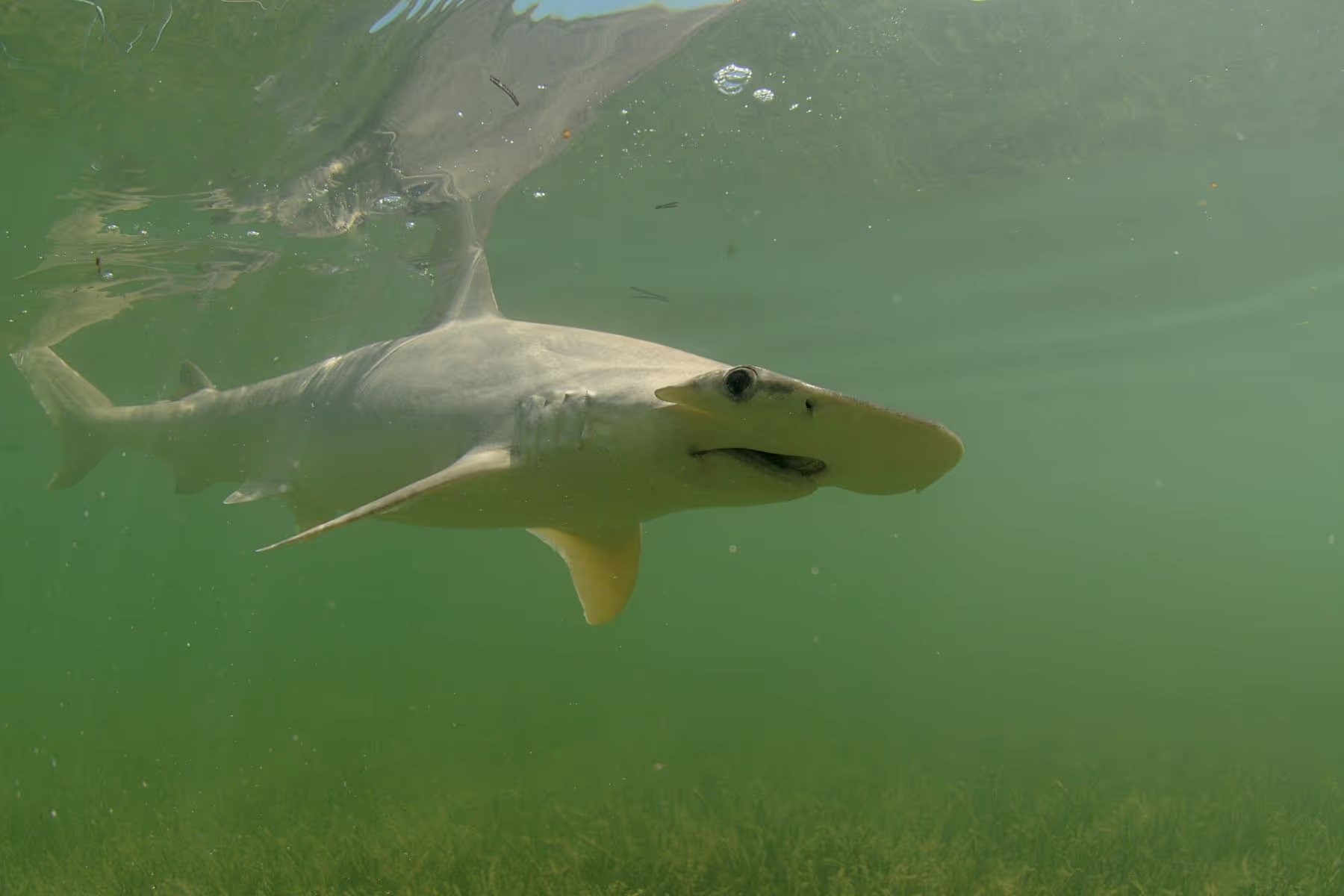
Bonnethead Shark
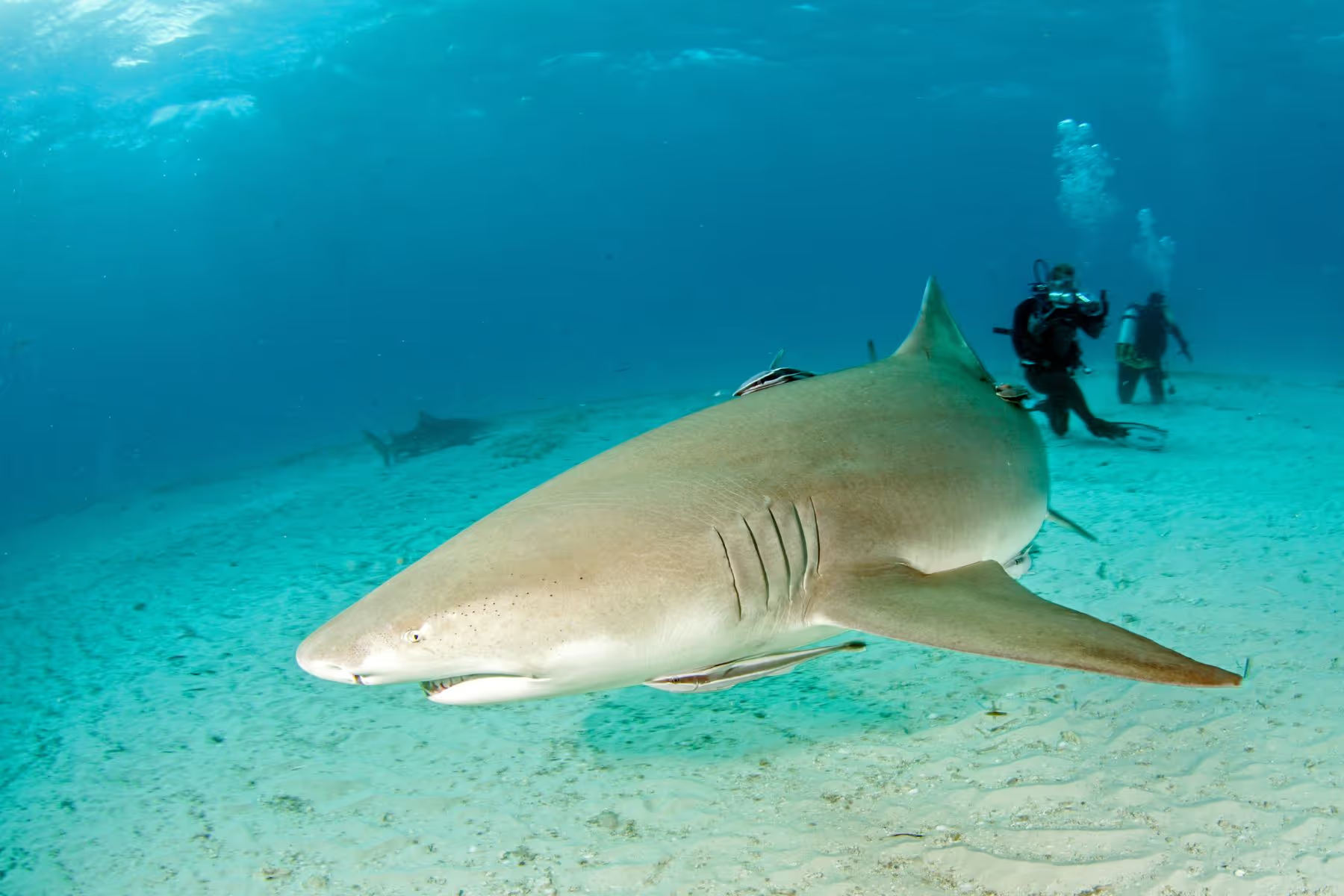
Lemon Shark
Best Sites for Shark Encounters in Islamorada
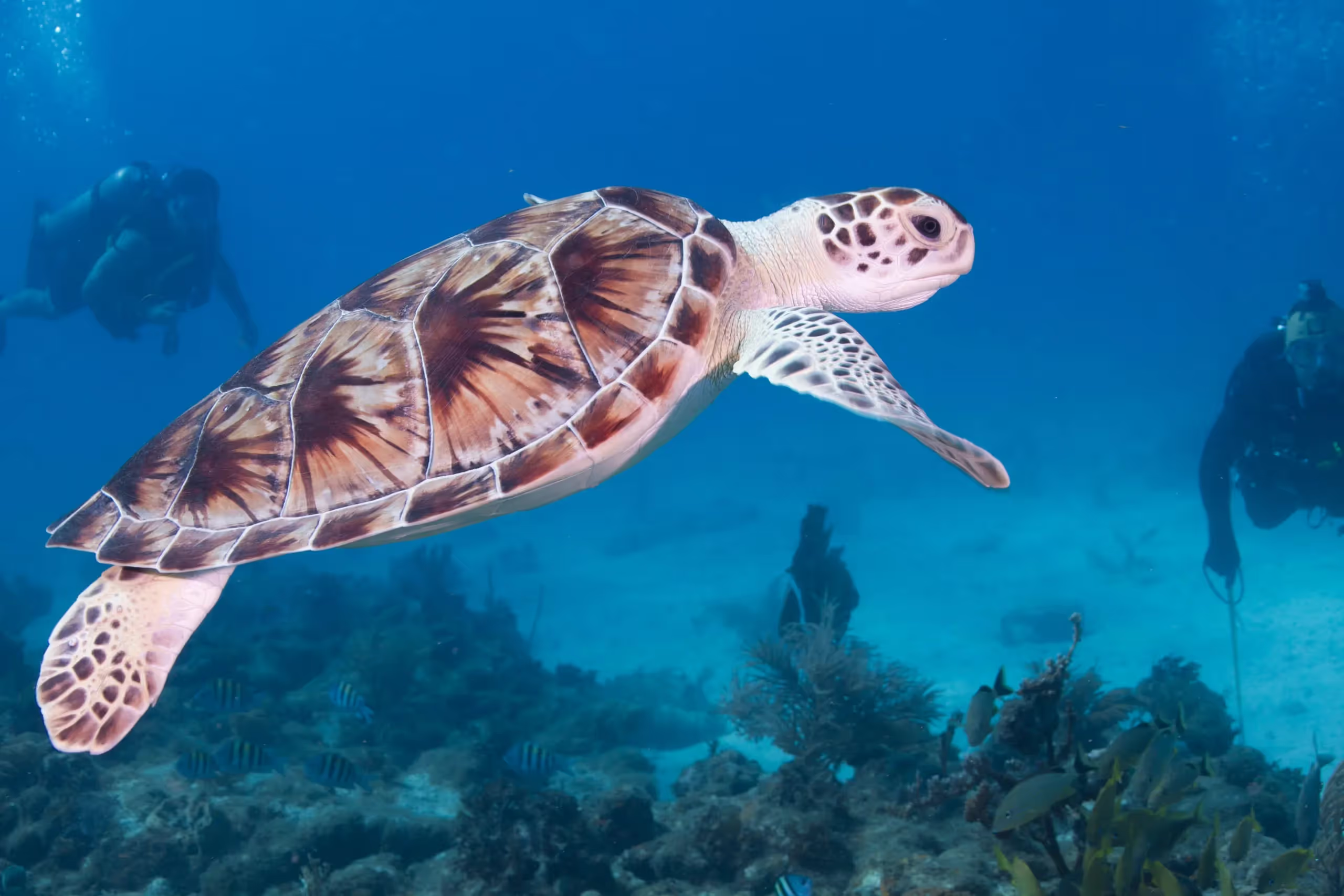
How to Make the Most of an Encounter
Sharks in the Florida Keys are wild animals in their natural habitat. Every IDC guide will brief you before the dive on how to behave around them. Here are the basics.
Do
Stay calm and maintain neutral buoyancy — erratic movement is what draws attention
Keep the group together and follow your guide's positioning signals
Watch from a respectful distance — let the shark decide how close to come
Keep your dive computer and gauges tucked in — reflective objects can attract curiosity
Enjoy it — encounters like this are exactly why people come to the Florida Keys
Don't
Don't chase or follow a shark that's moving away
Don't attempt to touch, ride, or grab a shark — including nurse sharks
Don't separate from the group to get a better angle for photos
Don't feed or bait sharks — it's illegal in Florida and disrupts natural behaviour
Don't panic if one approaches closely — stay still, watch, breathe normally
Book Your Dive Charter Online.
Morning and afternoon departures daily from Three Waters Marina. All dive sites are guide-selected on the day based on conditions — you're always going to the best spot available.