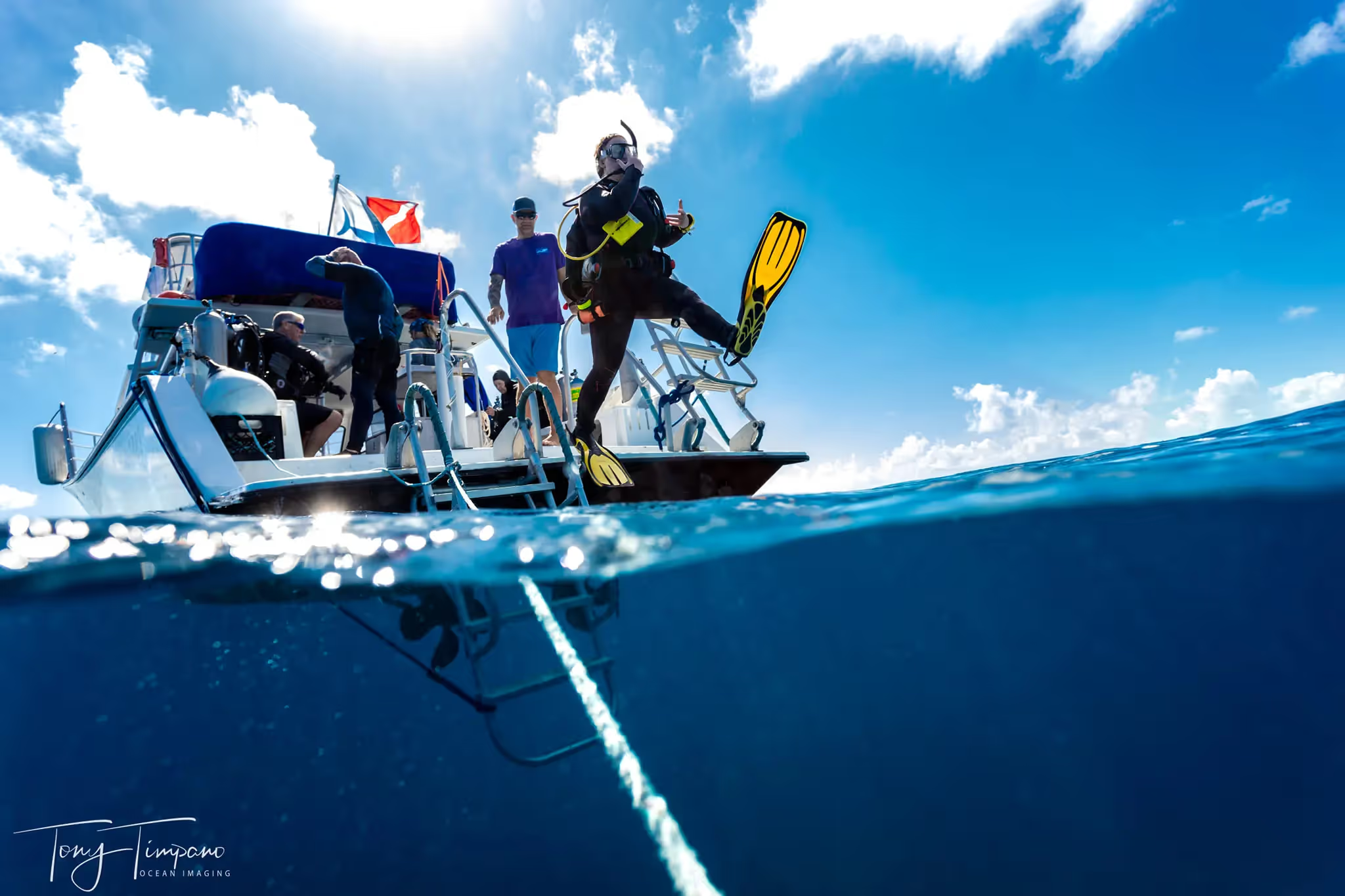
Crocker Wall sits at the south end of Crocker Reef — the outer reef line that runs roughly 4 miles southeast of Snake Creek in Islamorada. It's a sea slope dive: the top of the wall starts in the mounding coral heads at 30 feet and descends gradually through spur-and-groove formations down to nearly 80 feet where the reef base meets open sand. The wall runs for more than 400 feet. There's a lot of reef to cover.
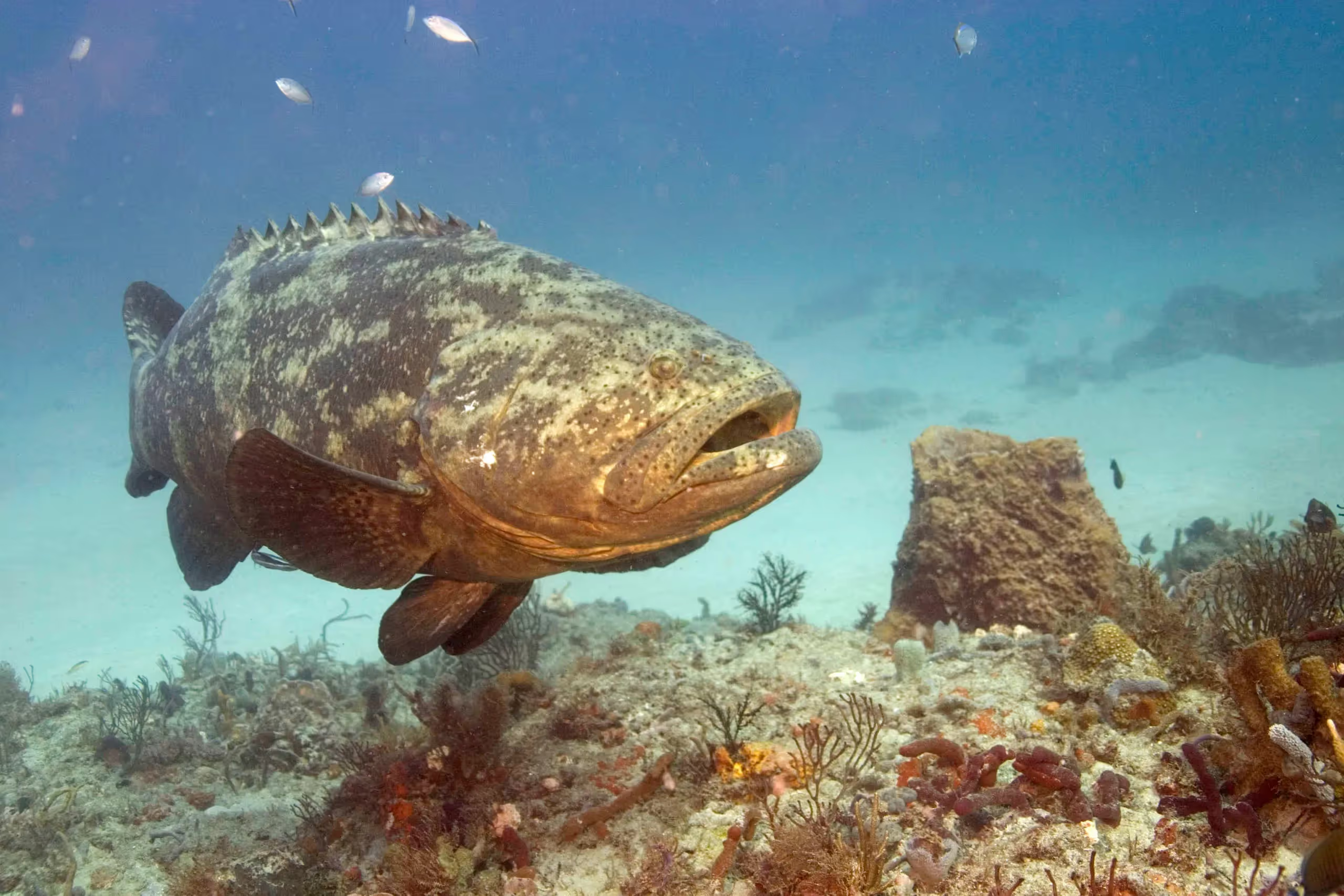
The structure is what drives the marine life here. Spur-and-groove topography at this scale creates enormous habitat diversity — coral fingers alternating with sand channels, overhang systems, and the kind of layered depth change that suits fish of every size and behavior. The deeper sections hold large fish: groupers, jacks, and the occasional shark moving along the wall base. Mid-wall, the coral coverage is dense and varied — sea fans, barrel sponges, and gorgonians well-developed enough to anchor schools of Grunt and Snapper in place. Sea Turtles move through consistently. Spotted Eagle Rays glide the open water at the wall's edge. Green Morays work the crevices throughout the descent.
The outer reef location means the water at Crocker Wall tends toward blue and clear — visibility regularly reaches 50 to 100 feet, and on good days the full depth profile of the wall is visible from the top. When there's current running along the wall, IDC runs it as a drift dive — one of the better ways to cover the full 400 feet of structure in a single tank.