
Diving the Duane Wreck in Islamorada: Depth, Current & Tips
The Duane sits upright in 120 feet of water off the Florida Keys. Here are the depths, the current, the marine life, and the certification you need to dive it.
Diving the Duane: What to Expect at Islamorada's Legendary Wreck
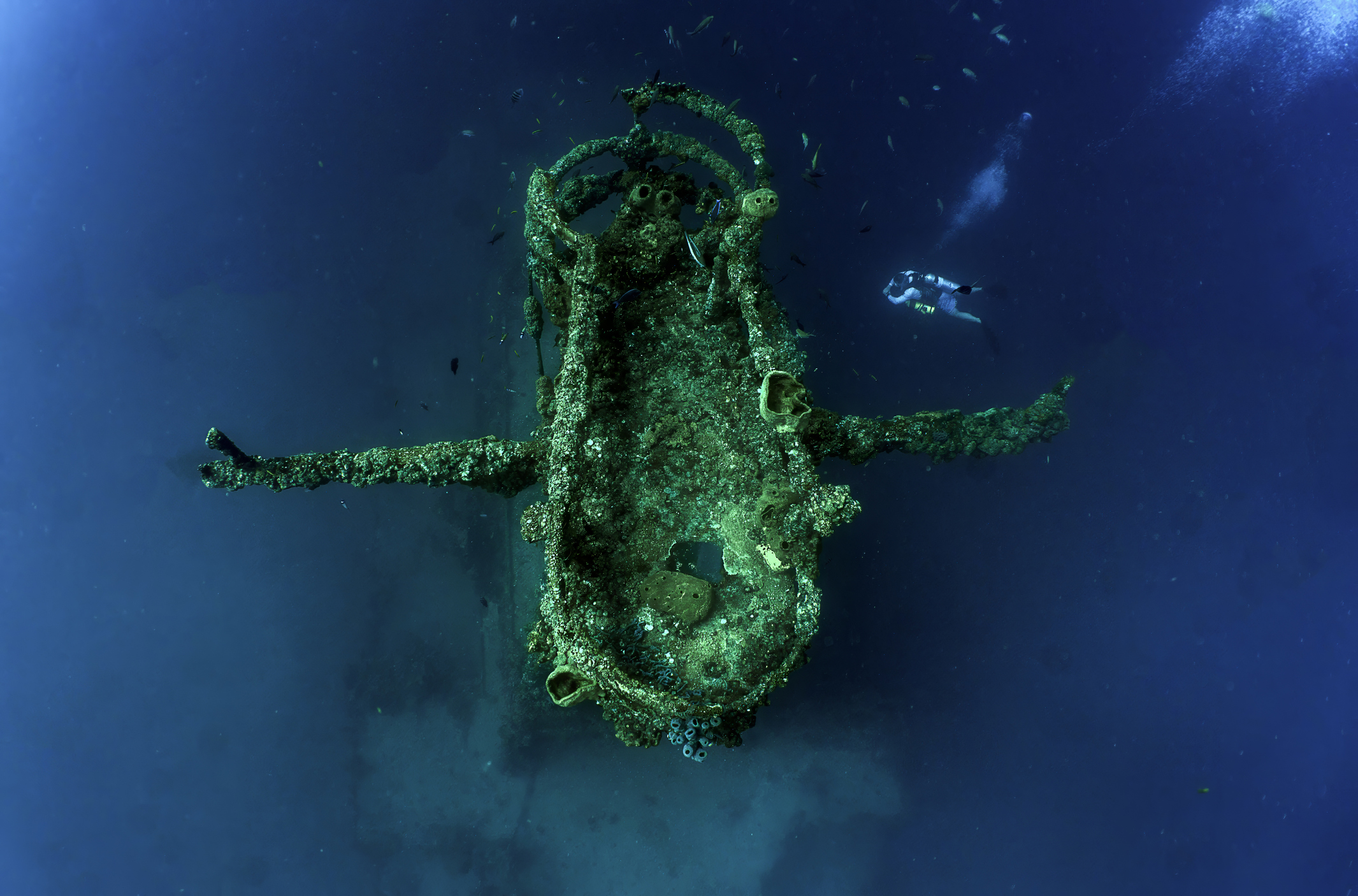
A gray wall of steel comes out of the blue at about eighty feet down, and your first thought is that the photos undersold it. The Duane is a 327-foot Coast Guard cutter sitting upright on a sand bottom in 120 feet of water. Divers plan whole trips around her. She rewards the ones who show up ready and punishes the ones who guess.
Our morning charter runs the deep sites out of Three Waters Marina at MM 84.5, and the Duane is the one people ask for by name. This is not a beginner dive. Here is what the day actually looks like.
Quick Summary: Key Takeaways
- 327 feet, sitting upright: a Coast Guard cutter sunk as an artificial reef in November 1987.
- Depth range 60 to 120 feet: sand at 120, main deck near 100, crow's nest close to 60.
- Advanced Open Water or equivalent: bottom time at 100 feet runs 15 to 20 minutes on air, so the plan happens topside before anyone gets wet.
- Expect current: the wreck sits near the Gulf Stream.
- Morning trip only: the captain picks the Duane, the Eagle, or Crocker Wall that same morning.
The Duane is a 327-foot cutter sitting upright in 120 feet of water
She had a long service career first. Launched in 1936, she operated for almost fifty years before decommissioning in 1985, then was stripped, cleaned and deliberately sunk in November 1987 to become an artificial reef. She landed upright, which is her whole advantage.
Her sister ship, the Bibb, went down nearby and settled on her side. The Duane is the friendlier swim by a considerable margin. The sand sits at 120 feet, the main deck runs around 100, the superstructure tops out near 85, and the crow's nest that everyone photographs is close to 60.
Current and depth make this an advanced dive
Plan on current. The Duane sits in open water where the Gulf Stream pushes through, and on a running day you will pull yourself down the mooring line hand over hand rather than swim a single fin stroke of it.
Bottom time is the other limit. At 100 feet, most divers get 15 to 20 minutes on air before no-decompression limits start driving the dive, which is why the Duane is dive one of the morning trip and a shallower reef is dive two.
The marine life on the Duane runs big
Open-water wrecks collect predators. Barracuda hang off the mast in loose crowds, amberjack cut through in packs, and goliath grouper the size of a beer keg tuck up under the deck plating where the light does not reach.
Reef sharks pass through. Turtles rest on the stern. Ninety years of growth has buried the railings under coral and sponge, so the whole ship now reads as a reef that happens to be shaped like a boat.
Certification and gear to sort out before you splash
Advanced Open Water is the practical floor for this site. PADI has issued more than 25 million diver certifications since 1966, and Advanced is the card that opens up deep wrecks like this one for most recreational divers.
Bring a light. Nitrox helps. A computer you actually know how to read helps more, and you will not need a wreck reel for the outside swim, because our crew is in the water with you on every single dive rather than waiting on the boat.
→ PADI Advanced Open Water course
How our morning charter runs the deep sites
Wind decides the site. We run two departures a day, 365 days a year, and the morning trip is the deep one: two tanks, a wreck, and a wall, with the Duane, the Eagle, or Crocker Wall on the board depending on conditions that morning.
The captain makes that call the day of, not the week before. A 15-knot easterly turns a mooring line into a washing machine, and we would rather move you to Crocker Wall and hand you an 80-foot day than sell you a dive you will not enjoy.
→ morning deep reef and wreck charter
Frequently Asked Questions
Q: How deep is the Duane wreck in the Florida Keys?
A: The sand bottom sits at 120 feet, the main deck around 100, and the crow's nest near 60. Most recreational divers work between 60 and 100 feet, which still puts you over the bridge, the mast, and the forward deck.
Q: Do I need to be an advanced diver to dive the Duane?
A: Advanced Open Water or the equivalent, plus recent deep experience. If your last dive was a 40-foot reef three years ago, book a refresher or a shallow charter first. The Duane is a poor place to knock rust off.
Q: Is there strong current on the Duane?
A: Often, yes. The wreck sits in open water near the Gulf Stream and the current ranges from mild to serious. Crews brief the descent line on every trip, and if it is ripping the captain moves the boat to another site.
Q: What is the best time of year to dive the Duane?
A: Summer and early autumn deliver the flattest seas and water temperatures in the mid-80s. Winter diving is excellent on the calmer days between fronts, although considerably more trips get relocated or canceled by wind from December through March.
Book the morning deep dive and get your name on the Duane
Space on the deep charter goes first in peak weeks. Tell us your certification level and the date of your last dive, and we will put you on the right boat with the right crew.
Islamorada Dive Center — 84001 Overseas Highway, Islamorada, FL 33036 (Three Waters Marina, MM 84.5)
Hours: Daily 8:00 AM to 5:00 PM
Website: islamoradadivecenter.com
→ check charter dates and availability
Stop Reading.
Start Diving.
Daily charters from Three Waters Marina. Open Water to advanced — we'll put you on the best reefs and wrecks in the Florida Keys.