Diving With Sharks in Islamorada: What You'll See in Winter
Islamorada has three dive sites named for their sharks, and winter adds bulls and great hammerheads. Where they hold, what to expect, how to act in the water.
The Sharks You'll Actually See Diving Islamorada This Winter
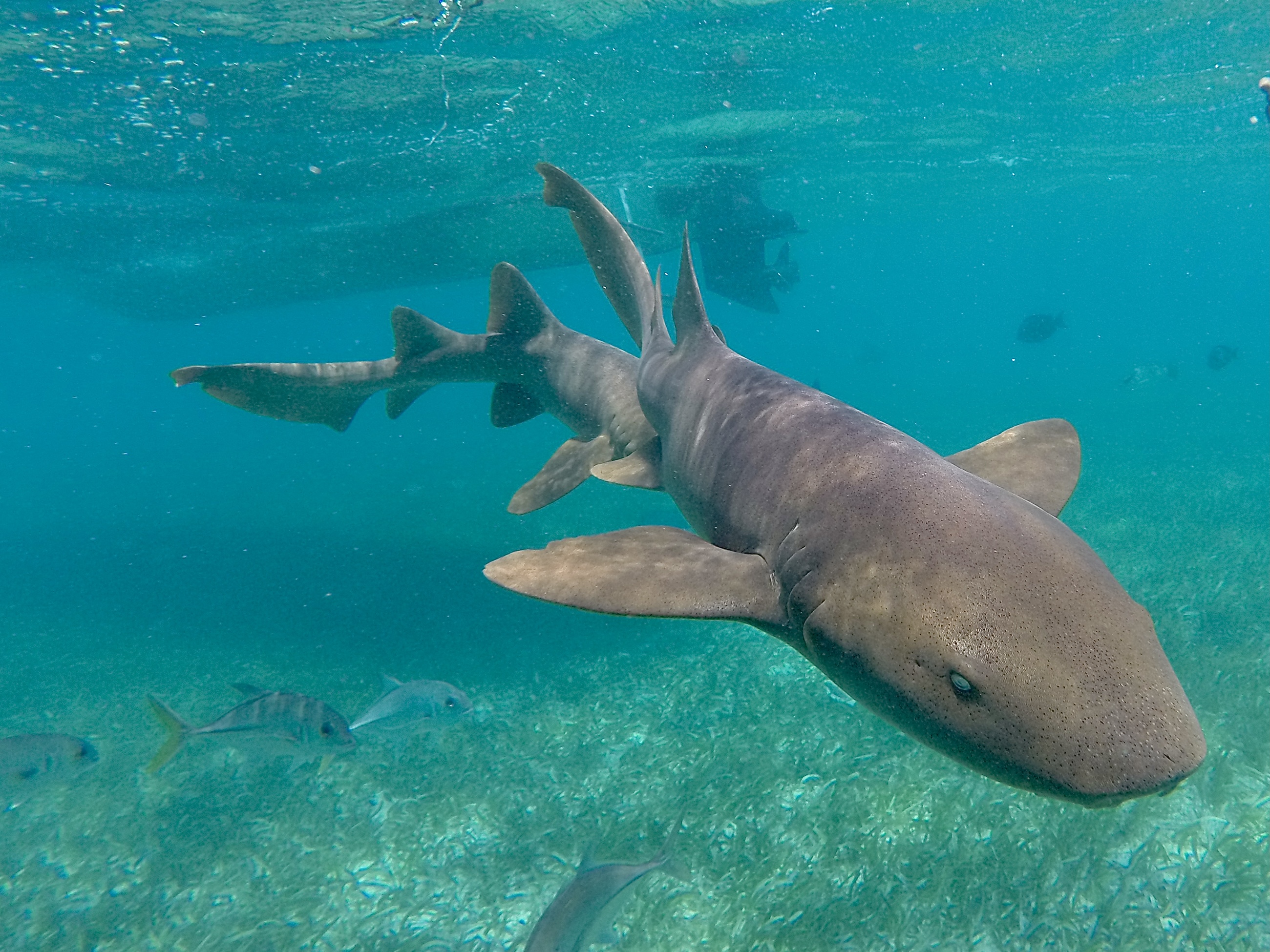
A nurse shark is close to a sure thing on an Islamorada reef dive. They doze through the daylight hours tucked under coral, and they turn up site after site. The question people really want answered is what else might swim past, and December gives a different answer than July does. Three of the sites Islamorada Dive Center runs to are named for the sharks that keep showing up on them, so that's a reasonable place to start.
Three Dive Sites Are Named After Their Sharks
Bully is a reef wall roughly four nautical miles out, running from 40 down to 90 feet. Bull sharks made it a regular stop and gave it the name, though sightings there aren't guaranteed. You'll need an Advanced Open Water card.
Hammerhead sits shallower, a ledge at 50 to 60 feet inside Open Water limits. Activity on it is variable and unpredictable, and the species list covers hammerheads, bulls, reef sharks and nurse sharks.
Nurse Shark City is the shallow one, a patch reef in 10 to 25 feet about five miles from the dock. Its resident population, under the coral and out across the sand, runs well past what the other patch reefs hold, and bonnetheads work the edges. Open Water is enough. The name is not marketing.
→ all of our Islamorada dive sites, with depths and certification levels
Alligator Reef
Alligator Reef is four nautical miles off the island in 10 to 25 feet of water, and it's a regular stop on the afternoon trip. The reef sits inside a designated sanctuary preservation area, so boats tie to mooring buoys and anchoring on the coral is banned. Left alone that way, it has built a species count past 500, with nurse sharks and hammerheads both on the list.
The shallow depth helps as much as the protection does. Twenty-five feet buys a long, unhurried look at an animal most people only ever see through glass.
→ Alligator Reef conditions, visibility and marine life
The Winter Arrivals
The winter months are when bull sharks get reported most often from the deeper offshore sites. The Eagle, the 269-foot freighter the Keys built its wreck-diving reputation on, carries them on its species list alongside goliath grouper and tarpon.
Great hammerheads are on migration past the Keys in the same season, and sightings are occasional — usually out at the offshore wrecks, or high in the blue water above a deep site.
The rest of the cast is here all year. Bonnetheads shoal over the sandy flats, lemon sharks arrive as a surprise on the shallow afternoon dives, and blacktips work the walls.
→ the six species you can expect, and how each one behaves
No Bait, No Cage, No Promises
People ask whether these are baited dives. They aren't. Florida prohibits feeding fish or sharks while you are diving or snorkeling, and nothing on our charter list is a baited or caged shark dive. You go out to the reef or the wreck and take what the day gives you.
That shapes how an encounter goes. A shark that has never connected divers with a free meal has no particular reason to come close, and the rules in the water are mostly about being uninteresting. Hold your buoyancy, stay with the group, tuck your gauges away so nothing flashes, and let the animal choose the distance. Don't chase one that's leaving, and don't touch anything, nurse sharks included.
For scale on the risk: the International Shark Attack File confirmed 65 unprovoked shark bites worldwide in 2025. Eleven were in Florida, none of them fatal, and more than half of those happened in Volusia County up on the Atlantic surf coast.
Carrying a Catch Changes the Picture
All of that assumes your hands are empty. Hold a speared fish or a lobster and you've changed what you are on that reef, and the Shark Attack File classifies bites on spearfishermen as provoked.
Lobster season runs through March 31. Six per person per day, a three-inch carapace minimum, and no taking them with a spear. Our guides handle the regulations and put you over the right ledges.
→ guided lobster hunting on the Keys reef
Spearfishing works the same way, with a spear guide who reads the structure and knows what's in season. It's pitched at certified divers who already have some bottom time behind them, and you'll need a Florida saltwater fishing license before the boat leaves.
→ spearfishing charters out of Islamorada
Frequently Asked Questions
Q: Do I need an advanced certification to dive with sharks here?
A: Not for most of it. Nurse Shark City, Hammerhead and Alligator Reef all sit inside Open Water limits. Bully and the Eagle wreck are the two that call for Advanced Open Water.
Q: Which sharks are around in winter that aren't around in summer?
A: Bull sharks at the deeper offshore sites and great hammerheads on migration are the two the winter months bring in. Nurse sharks, bonnetheads, lemon sharks and blacktips are here the rest of the year as well.
If Sharks Are the Reason You're Coming
The sites that produce them are the walls and the wrecks, and those run on the morning charter out of Three Waters Resort & Marina, 84001 Overseas Highway at MM 84.5 in Islamorada. Tell us which of them you're certified for and we'll build your days around the right water. Schedules and availability are at islamoradadivecenter.com.
Stop Reading.
Start Diving.
Daily charters from Three Waters Marina. Open Water to advanced — we'll put you on the best reefs and wrecks in the Florida Keys.